|
 |
| |
Jeb and Dash opens on the year 1918,
the year of Armistice, which is the title Ina gives to Part One of the edited diaries. Armistice Day is the anniversary of
the official end of World War I, November 11, 1918.
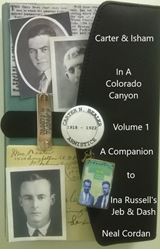
Assigned the pseudonym ‘Jeb Alexander’ by Ina, Carter Newman Bealer was born in Atlanta, Georgia on October 17, 1899[1], but
his real story begins at the age of twelve with the diaries he would keep for the next fifty or so years, stopping just a
year before his death on May 11, 1965, at age 65. The reported fifty volumes of diaries that Ina distilled into one book chronicles
Carter’s life and his longtime friendship with Isham W. Perkins (Dasham) as well as a host of other friends, coworkers,
acquaintances and family members - the events largely centered around Washington, DC.
Though
Carter’s story, as presented by Ina, begins in 1918, the year he entered college, and ends in 1945, some 20 years before
his death, his diaries, according to Russell, actually span the years 1912 – 1964. These early and later diary entries
were omitted from the work because, according to Ina, “Some early entries had charm, but domestic history of the time
is well known and nothing new seemed to emerge,”[3] and as for the later years Ina writes that Carter “…quietly
reported ‘the nothingness of the last eighteen years…’”[4]
It is in
1918, however, that Carter’s story begins in earnest. 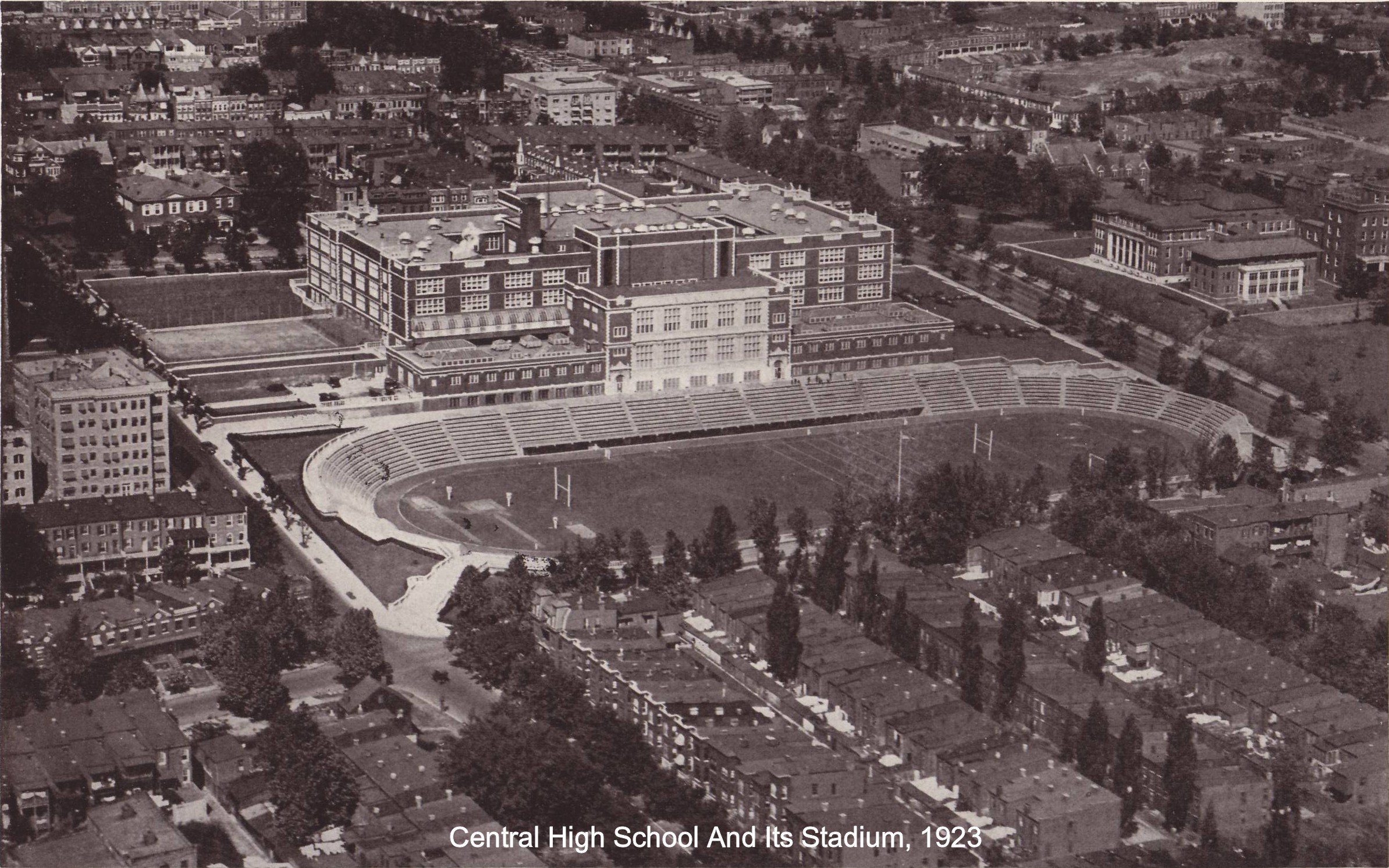
Monday, 5 August 1918
After finishing Central High School in June, Carter is living with his
family at 1424 Longfellow St., NW, the home his father purchased for
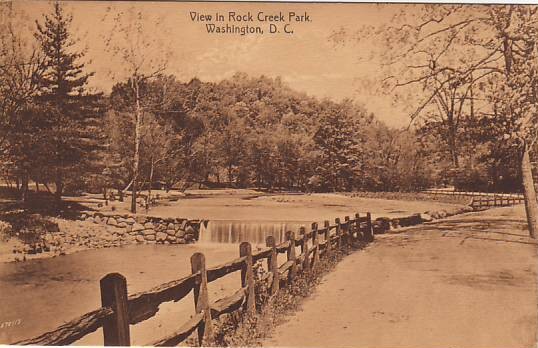
the family in 1914; the same year Carter graduated 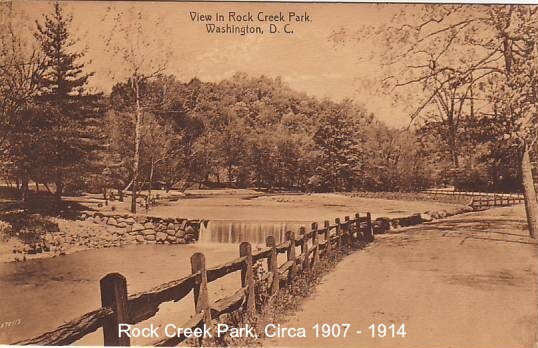 from Johnson Graded School. This area, known as Brightwood, just a few miles from Rock Creek Park, the largest area in the National Capital Parks system, is northwest of the city proper, and is about
five miles from where Carter is working as a bank clerk at the Commercial National Bank, located at Fourteenth and G Streets, listed on the National Register of Historic Places, today. The
Bank is very close to Lafayette Square, across the street from the White House.
This public park has long been a cruising place for gay men. Like most young men his age, Carter is contemplating his
future. More than anything else, he aspires to be a writer - a great author. from Johnson Graded School. This area, known as Brightwood, just a few miles from Rock Creek Park, the largest area in the National Capital Parks system, is northwest of the city proper, and is about
five miles from where Carter is working as a bank clerk at the Commercial National Bank, located at Fourteenth and G Streets, listed on the National Register of Historic Places, today. The
Bank is very close to Lafayette Square, across the street from the White House.
This public park has long been a cruising place for gay men. Like most young men his age, Carter is contemplating his
future. More than anything else, he aspires to be a writer - a great author.
During
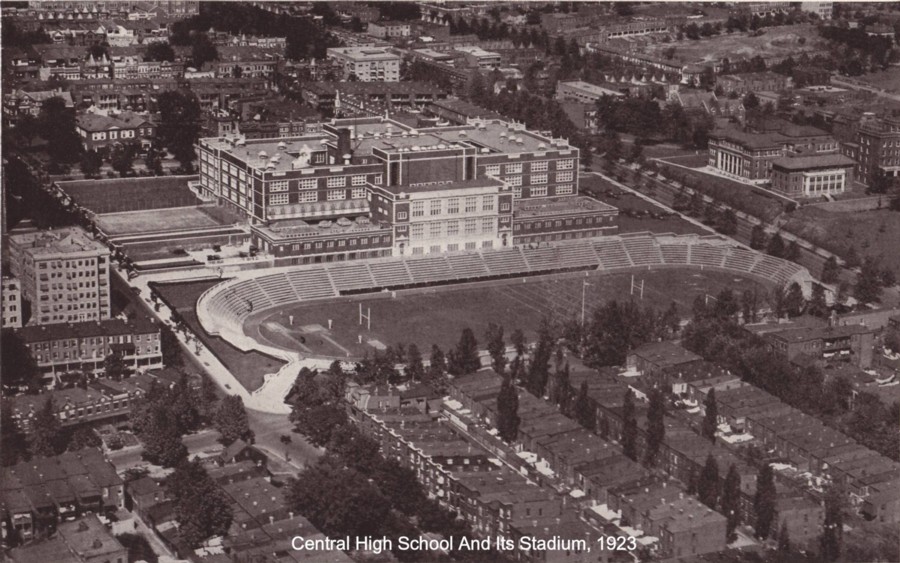
most of Carter’s time at Central High School, it was located between 6th and 7th Streets
on O Street, a building razed in 1951.
“In 1916, [however], students from old Central moved to the new Central High School
building at 13th and Clifton Streets, where it continues to this day. However, in 1950, it became part of
the then segregated black school system, and it was renamed Cardozo High School.” Cardozo High School is also listed on the National
Register of Historic Places.
In an entry
dated 29 January 1922, Carter writes about the humiliation he experienced when he "...failed to graduate
from Central High School...."
|
|
|